
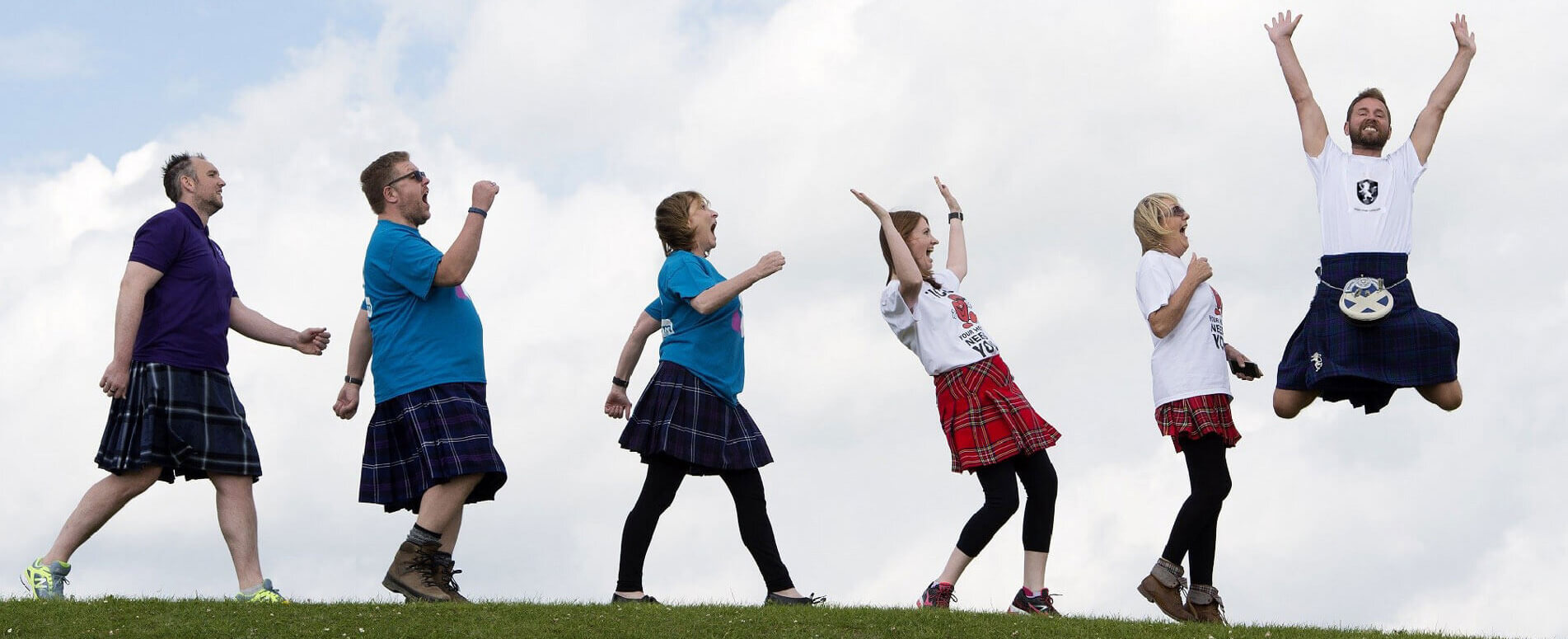
Kilts are an painting raiment with deep roots in Scottish tradition, but in recent eld, they've become a swagger and various option for men all around the earthly concern. Whether you’re attention a evening gown , looking for a new summation to your wardrobe, or embrace a perceptiveness program line, choosing the right kilt involves troubled thoughtfulness of framework, fit, and operate. Here’s a steer to help you make the best choice when it comes to selecting a kilt that suits your title and needs. Kilts For Men.
1. Fabric: The Foundation of a Great Kilt
The framework of a kilt is not just about esthetic appeal—it plays a considerable role in how the kilt fits, feels, and performs. When choosing a kilt, fabric should be your first consideration.
Wool: The Traditional Choice
Traditionally, kilts are made from wool, often in the form of tartan patterns. Wool is breathable, long-wearing, and can conform to various brave conditions. It’s a outstanding option for colder climates as it provides warmth while still allowing for ventilating system. High-quality wool kilts are often used for formal occasions and ceremonial occasion events. The heavier angle of the framework also gives a orthodox, organized look that many favour.
Polyester and Blends: The Practical Alternative
For those quest a more inexpensive or virtual selection, polyester blends volunteer a good alternative. Polyester is often emulsified with wool to produce a fabric that retains some of the strength and warmness of wool but is less pricey and easier to care for. These kilts are important for daily wear, unplanned outings, or even outside activities where strength is key.
Cotton: For Warm Weather Comfort
If you’re looking for something igniter and more breathable, kilts are perfect for heater climates or summertime events. Cotton kilts are soft, whippersnapper, and wide, making them nonpareil for outside festivals, casual gatherings, or when comfort is a precedency over formalness.
2. Fit: The Key to Comfort and Style
The fit of your kilt is material, not only for soothe but also for achieving the right look. A well-fitted kilt should feel wide and allow you to move freely, while still maintaining the picture kilt form.
Waist Measurement
To insure the best fit, your kilt should sit well at your natural waist, not too high or low. A good kilt should be snug around the waist but not restrictive. Measure your waist and see that the kilt’s waist measurement corresponds accurately to your size. Remember, kilts typically tighten with straps and buckles, allowing for some adjustability.
Length
The length of a kilt is typically sounded from the waistline to just above the knee. The kilt duration should fall about 2-4 inches above the knee, which allows for a balance between solace and formality. However, some men favor a longer or shorter kilt depending on subjective orientation or the . Always make sure the length of the kilt complements your tallness and the juncture.
Pleating
Kilts sport pleats in the back that give the garb its characteristic drape and movement. Depending on the style, pleats can be sewn in a variety of ways. Traditional kilts often have pleats made to the model, while Bodoni font kilts may volunteer more tractableness in plication options. Choose pleats that blandish your body form and offer exemption of social movement.
3. Function: Choosing a Kilt for Your Lifestyle
The resolve of your kilt will for the most part mold your option of fabric, fit, and style. Kilts suffice a variety of functions, from observance wear to active voice modus vivendi garments, so understanding the purpose will help you specialize down your options.
Formal Occasions
For weddings, graduations, or dinner gown gatherings, a wool kilt with orthodox tartan patterns is usually the most appropriate selection. The heavier fabric provides a purified look, while the tartan showcases personal or kin inheritance. Pair this with a jacket crown, sporran, and dress place for a nail, formal ensemble.
Outdoor or Active Wear
If you’re looking for a kilt that can handle more front or outdoor conditions, consider a kilt made from durable materials like polyester or a wool-blend fabric. These are often equipped with extra features, such as pockets for practicality. A unplanned kilt with a more relaxed fit works well for activities like hiking or festivals where you need solace and mobility.
Everyday Casual Wear
For wear or loose gatherings, you can opt for a igniter fabric, such as cotton or a polyester fabric intermingle. These kilts are easy to care for and are often more inexpensive while still maintaining the kilt esthetic. Casual kilts may also sport modern font design elements, such as zippered pockets or changeable straps, offering both style and go.
4. Accessories: Completing the Look
No kilt is nail without the right accessories. Depending on the occasion and your personal style, accessories can lift or complement your kilt look.
- Sporran: A orthodox Scottish pouch worn around the waistline to hold modest items. A sporran is essential for evening gown events and can be chosen supported on the occasion—leather or fur for more evening gown settings, or more unplanned designs for mundane wear.
- Kilt Hose and Gaiters: Worn over the calves and opposite with the right place, kilt hose adds an trusty touch down. Gaiters are often worn for a more svelte visual aspect during formal events.
- Kilt Pin: This is both a ornamental and functional accessory that helps hold the kilt in direct, typically pinned at the face on the apron.
Conclusion: Finding Your Perfect Kilt
Choosing the right kilt involves reconciliation tradition with practicality. Whether you’re opting for the classic wool kilt for a evening gown or a light fabric for a casual juncture, the key is to focalise on framework, fit, and work. By considering the climate, the , and your subjective console, you can find a kilt that will not only look outstanding but also serve your needs for eld to come. With the right fabric, fit, and purpose in mind, you’ll be able to bosom this timeless garb with trust and style.